

Products
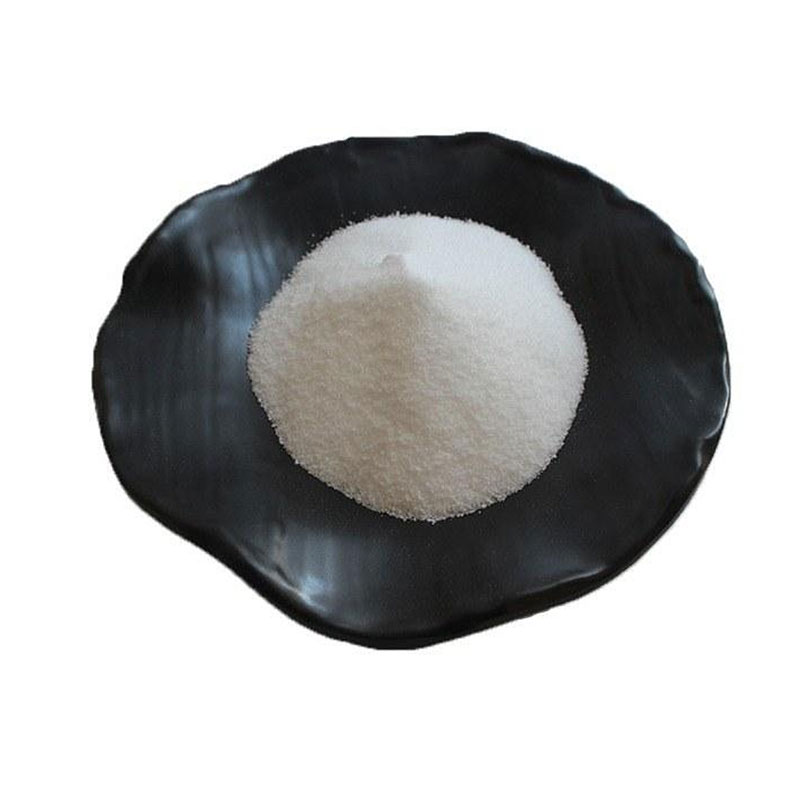


Hot sale Tioneptin sodium salt CAS30123-17-2 for anxiety and depression
Pharmacological action
Tioneptin sodium salt is a tricyclic antidepressant. Its antidepressant mechanism is different from that of traditional tricyclic antidepressants. It can increase the reuptake of 5-HT in the synaptic space, and may have the effect of improving the conduction of 5-HT neurons. It has no affinity for choline or adrenoceptors. The antidepressant effect is similar to tricyclic drugs, but the tolerance is better than tricyclic drugs. In animal experiments, it can increase the spontaneous activity of pyramidal cells in the hippocampus and accelerate the recovery of their functions after inhibition; It can increase the resorption of 5-HT by neurons in the cerebral cortex and hippocampus. Thioneptin sodium is absorbed rapidly and completely in the digestive tract. Rapid distribution, with PPB up to 94%. Through the liver β- The oxidation and N-demethylation are completely metabolized, and the clearance terminal T1/2 is short, 2.5 hours. A very small amount of prototype drugs (8%) are excreted from the kidney, mainly its metabolites are excreted from the urine. T1/2 clearance was prolonged for 1 hour in patients with renal insufficiency.
Indication
It is used to treat mild, moderate or severe depression, neurogenic and reactive depression, anxiety and depression of body, especially gastrointestinal discomfort, and anxiety and depression of alcohol-dependent patients during withdrawal. The recommended dose is 12.5 mg tid orally before the main meal in the morning, middle and evening. Chronic alcoholism, no matter whether liver cirrhosis or not, does not need to adjust the dose. For patients over 70 years old and with renal insufficiency, the dose is limited to 2 tablets per day.
coa
|
Description |
White to yellowish powder,very hygroscopic. | Off-white powder,very hygroscopic. |
| Solubility |
Freetly soluble In water and methanol and dichloromethane |
Complies |
| Water |
≤ 5.0% |
1.274% |
| Assay |
99.0%-101.0% |
99.42% |
|
Related compounds |
Total impurities:≤0.4% |
Single maximum impurity 0.012% |
Adverse reactions
Common symptoms include dry mouth, nausea, lethargy, dizziness, headache, insomnia, nightmares, weight gain and constipation. Rare myalgia, back pain, ventricular arrhythmia, postural hypotension, palpitation, heart rate slowing, tremor, anxiety, irritability, hot flashes, blush, bitter mouth, gastrointestinal flatulence, abdominal pain, elevated serum alanine aminotransferase, rash, etc.
Matters needing attention
1. People with cardiovascular disease, gastrointestinal disease and severe renal insufficiency should be cautious.
2. Depression patients with hereditary suicidal tendencies must be closely monitored when taking this drug, especially at the beginning of treatment.
3. If general anesthesia is needed, inform the anesthesiologist that the patient is taking this drug and stop taking it 24 or 48 hours before the operation. When emergency surgery is needed, there is no need to stop the drug, but preoperative monitoring should be carried out.
4. It is the same as all drugs for the treatment of mental diseases. If the treatment is interrupted, the dose should be gradually reduced for more than 7 to 14 days.
5. Some patients will have decreased alertness. Drivers or machine operators should pay attention to the risk of drowsiness when taking this drug.
6. Before starting the treatment of this product, monoamine oxidase inhibitor drugs must be stopped for 2 weeks. However, patients who were originally treated with monoamine oxidase inhibitors should stop taking this product for 24 hours.
7. Animal experiments show that this drug has no adverse effect on reproductive function, only a few drugs pass through the placenta, and no accumulation effect in the fetus is found. However, there is no relevant clinical research data in humans. Avoid taking this drug during pregnancy.
8. Tricyclic antidepressants can be secreted into milk. It is recommended not to breastfeed during the medication period.

-

Hot sale in Australia Butanediol CAS110-63-4 fo...
-

Hot sale Sibutramine 99% CAS 106650-56-0 For Su...
-

Hot sale MK2866 high purity 99.9% powder is use...
-

8850-57-5 Alcohol Soluble Jinyang Alkali Erecti...
-

High purity factory stock ACP-105 99.6% powder ...
-

Bodybuilding 1010396-29-8 Bulk S23 Powder S-23 ...