
Cheap Sulfites in Food: Find Reliable Suppliers for Quality Products
Sulfites in food are something I truly understand the importance of for your business. As a supplier focused on providing high-quality ingredients, I know how essential it is to find cheap, reliable sources without compromising on quality. Our sulfite products meet stringent safety standards and can enhance the shelf life of your offerings, making them a smart choice for food manufacturers. I remember the challenges I faced when searching for trustworthy suppliers—getting the right balance of cost and quality. That's why I’m committed to offering competitive pricing without skimping on product integrity. Whether you're looking to preserve freshness in packaged goods or enhance flavor in your culinary creations, my sulfites are the solution. Together, we can help elevate your product line and meet the demands of your customers. Let’s make sure your products stand out with the unbeatable quality sulfites can provide.



Sulfites In Food Service Service Backed by Expertise
Sulfites are widely used in the food service industry for their preservative qualities, enhancing both flavor and shelf life. As global trade continues to grow, understanding the role of sulfites in food products becomes increasingly important for procurement professionals. They prevent browning in fruits, maintain the color of vegetables, and inhibit microbial growth in processed foods, making them essential to ensure quality and consistency in offerings. Our expertise in sulfite applications provides valuable insights into regulatory compliance, safety standards, and best practices. By integrating sulfites into food service operations, businesses can not only preserve the quality of their products but also reduce waste and extend shelf life, ultimately benefiting their bottom line. Additionally, the knowledge of sulfite protocols helps in catering to consumer preferences and dietary restrictions, ensuring that your offerings meet market demands effectively. As consumers become more health-conscious, transparency surrounding food ingredients is crucial. Leveraging our expertise in sulfite management, food service providers can navigate the complexities of ingredient labeling and communicate the benefits of sulfite use. Understanding these dynamics allows global buyers to make informed decisions, ensuring the procurement of high-quality products that align with both consumer expectations and industry regulations.
Sulfites In Food Service Service Backed by Expertise
| Food Item | Sulfite Content (ppm) | Common Uses | Health Advisory |
|---|---|---|---|
| Dried Fruits | 50-350 | Snacks, Baking | May cause allergic reactions |
| Wine | 10-200 | Beverages | Avoid if sensitive |
| Pickled Vegetables | 30-200 | Condiments, Side Dishes | Check labels for sensitivity |
| Shrimp | 10-100 | Seafood Dishes | Potentially hazardous for allergies |
| Instant Potato Products | 10-150 | Fast Meals, Soups | Use cautiously with sensitivities |
Related Products

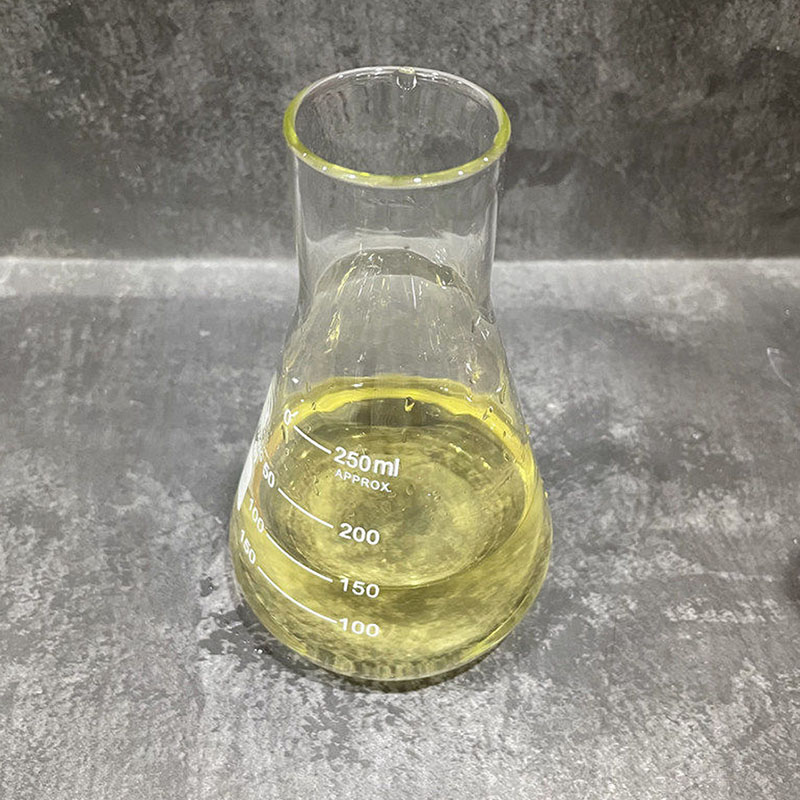

Sulfites In Food Factory in 2025
Top Selling Products
- Related Blog
- Reviews
